A dark room can feel cramped, uninviting, and dull, but with a few thoughtful adjustments, you can transform it into a bright and cheerful space. Whether you’re dealing with limited natural light, dark paint colors, or awkward layouts, there are many quick and affordable ways to improve brightness and ambiance. In this post, we’ll explore practical tips to brighten a dark room, making it feel larger, lighter, and more welcoming.
Understand the Sources of Darkness
Before you start changing things, it helps to know what causes your room to feel dark. Common reasons include:
– Limited natural light from small or shaded windows
– Dark wall colors or flooring
– Heavy curtains or blinds blocking sunlight
– Insufficient or poorly positioned lighting
– Clutter or large furniture that absorbs light
Identifying the source allows you to target your improvements effectively.
Maximize Natural Light
1. Use Sheer Window Treatments
Replace heavy drapes with sheer or light-filtering curtains. Sheer curtains allow sunlight to enter while maintaining privacy. If you prefer blinds, opt for light-colored or translucent materials that won’t block the light completely.
2. Clean Windows Regularly
It might sound simple, but dirty windows reduce the amount of light coming in. Keep your windows clean to maximize natural brightness.
3. Use Mirrors Strategically
Place mirrors opposite or adjacent to windows to reflect sunlight deeper into the room. Large mirrors or a collection of smaller ones can amplify natural light and create a sense of openness.
Brighten Walls and Ceilings
4. Choose Light Paint Colors
Light colors like white, cream, soft pastels, or warm neutrals reflect more light than dark shades. If repainting isn’t an option for the whole room, consider an accent wall or painting the ceiling a bright white to bounce light around.
5. Use Glossy or Satin Finishes
Paints with a satin or semi-gloss finish reflect light better than matte finishes. These finishes also make cleaning easier.
Enhance Artificial Lighting
6. Layer Your Lighting
Combine different sources of light to brighten the room effectively:
– Ambient lighting: Overhead fixtures like ceiling lights or chandeliers provide general illumination.
– Task lighting: Lamps or under-cabinet lights help with specific activities like reading or cooking.
– Accent lighting: Spotlights or LED strips highlight artwork, plants, or architectural details.
This layered approach ensures no part of the room is left in shadow.
7. Choose Bright, Energy-Efficient Bulbs
Use LED bulbs with a high lumen count and a color temperature between 2700K and 4000K. These produce a warm yet bright light that resembles natural daylight without harshness.
8. Use Reflective Light Fixtures
Fixtures made from materials like glass, chrome, or polished metals reflect light around the room, amplifying illumination.
Furniture and Flooring Tips
9. Select Light-Colored or Reflective Furniture
Opt for furniture in lighter shades like beige, white, or light wood. Pieces with glass or mirrored surfaces also reflect light and reduce the heaviness that dark furniture can add.
10. Declutter and Arrange Thoughtfully
Remove unnecessary items that make the room look crowded and block light. Arrange furniture to allow natural light to flow freely and avoid blocking windows with large pieces.
11. Use Light-Colored Rugs
If your floor is dark, adding a light-colored rug can brighten the space and add warmth without absorbing light.
Add Brightening Decorative Elements
12. Incorporate Metallic and Glass Accents
Decorate with items such as silver or gold picture frames, glass vases, or crystal candle holders to catch and reflect light.
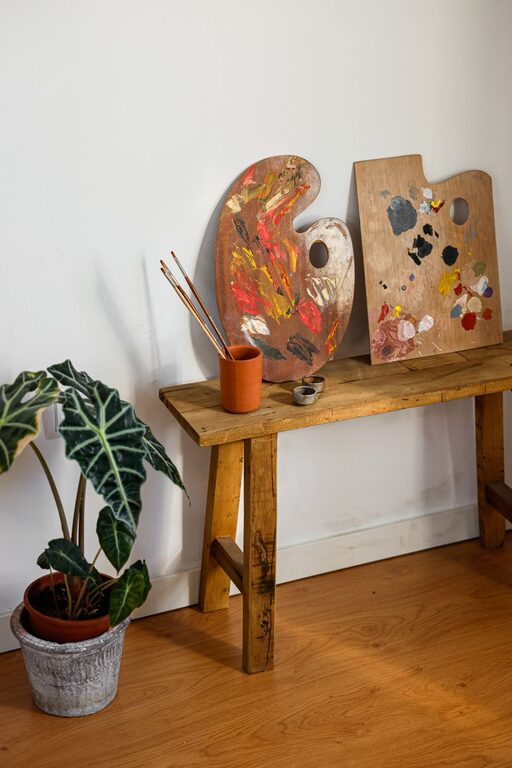
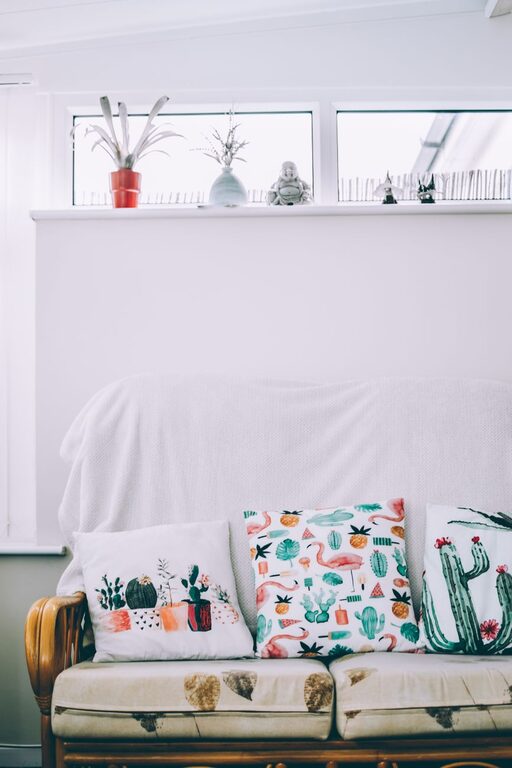
13. Add Indoor Plants
Plants bring life and color to any room, especially when placed near light sources where they can thrive and brighten the area.
14. Use Artwork with Vibrant Colors
Choose wall art with bright or light tones to add visual brightness and energy to a dark room.
Small Changes with Big Impact
15. Replace Heavy Doors or Dark Door Hardware
If possible, swap out solid doors for ones with glass panels to allow light flow between rooms. Also, consider lighter-colored or reflective door hardware.
16. Keep Windows Free of Obstructions
Trim outdoor bushes or trees that block sunlight, if you have control over landscaping. Inside, avoid placing large items on or near the windowsill.
—
Final Thoughts
Brightening a dark room doesn’t require major renovations. Through strategic use of natural light, coordinated paint choices, layered lighting, and thoughtful decor, you can refresh any space quickly and affordably. Start with small changes that suit your style and budget, and watch your room transform into a bright, welcoming haven.