
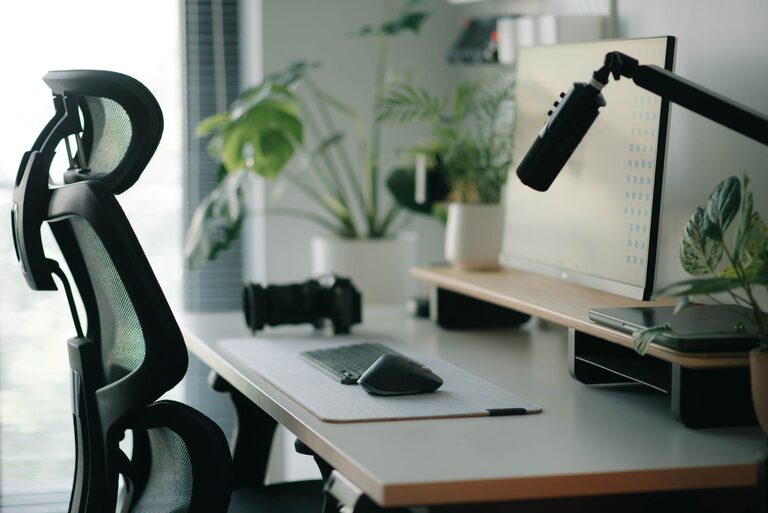
Creating a desk setup that supports both focus and comfort is essential whether you’re working from home, studying, or just spending long hours at your desk. A well-organized and thoughtfully arranged workspace can improve your productivity, reduce physical strain, and foster a positive mindset. In this post, we’ll explore practical desk setup tips to help you create an environment suited for sustained concentration and comfort.
Why Your Desk Setup Matters
Your desk is more than just a surface to hold your laptop or papers. It’s the foundation of your daily work routine. Poor setup can lead to discomfort, distractions, and decreased efficiency. On the other hand, an optimized desk promotes good posture, reduces fatigue, and helps you stay mentally engaged.
Essential Elements of a Focus-Friendly Desk Setup
1. Prioritize Ergonomics
Ergonomics is the science of designing a workspace that fits your body’s needs. Start by adjusting your desk and chair so that:
– Your feet rest flat on the floor or on a footrest.
– Your knees are roughly at a 90-degree angle.
– Your back is supported by the chair’s backrest.
– Your wrists are straight and not bent upward or downward when typing.
– Your monitor is at eye level, about an arm’s length away.
An ergonomic setup helps prevent strain and discomfort that can distract you from your work.
2. Choose a Comfortable Chair
Invest in a chair with adjustable height, lumbar support, and a seat that’s firm but cushioned. This will keep you comfortable during long work sessions and support your posture.
3. Optimize Monitor Placement
Place your monitor directly in front of you to avoid neck twisting. The top of the screen should be at or slightly below eye level. If you use multiple screens, position them close together and at the same height to minimize head movement.
4. Manage Lighting
Good lighting reduces eye strain and helps maintain alertness. Natural light is ideal, so position your desk near a window if possible. If natural light isn’t available or sufficient, use a desk lamp with adjustable brightness and color temperature to reduce glare and shadows.
Organizing Your Desk for Better Focus
1. Declutter Regularly
A cluttered desk can cause distractions. Keep only the essentials on your desk and store less frequently used items in drawers or shelves. Use organizers like trays or pen holders to keep supplies in order.
2. Use Cable Management Solutions
Tangled cables can be frustrating and make your workspace look messy. Use cable clips, sleeves, or under-desk trays to keep cords neat and out of the way.
3. Personalize Thoughtfully
Adding a few personal touches like a small plant, photo, or inspirational quote can make your workspace inviting without becoming distracting. Choose items that bring you calm or motivation.
Tools and Accessories to Enhance Comfort and Focus
1. Keyboard and Mouse
Consider ergonomic keyboards and mice that reduce strain on your wrists and hands. Mechanical keyboards can provide tactile feedback that some people find satisfying and helpful for focus.
2. Desk Mat or Wrist Rest
These accessories provide extra cushioning and support for your wrists during typing or mouse use, helping to prevent discomfort.
3. Noise Control
If you work in a noisy environment, noise-canceling headphones or white noise machines can help minimize distraction.
4. Standing Desk or Desk Converter
Alternating between sitting and standing can improve blood circulation and reduce fatigue. A standing desk or converter lets you change positions throughout the day.
Maintaining Your Focus-Friendly Setup
1. Take Breaks and Move
No desk setup can replace the benefits of regular breaks and movement. Stand up, stretch, or take a short walk every hour to refresh both body and mind.
2. Keep Your Workspace Clean
Set aside time weekly to clean and reorganize your desk. A tidy space supports a clear mind.
3. Adjust As Needed
Your needs may change over time. Don’t hesitate to tweak your setup to improve comfort or productivity as you discover what works best for you.
Final Thoughts
A well-designed desk setup is a powerful tool that influences your workflow and well-being. By focusing on ergonomics, lighting, organization, and personalization, you can create a workspace that helps you stay focused and comfortable throughout the day. Remember, the best setup is one that suits your unique preferences and needs, so feel free to experiment and adjust until you find your ideal arrangement.