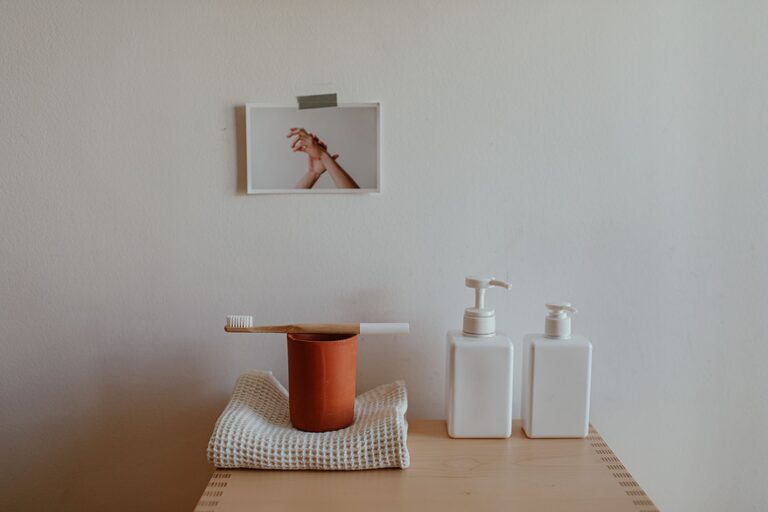

Taking a day off at home can be one of the best ways to recharge and reset your mind and body. However, it’s easy to spend a day off feeling guilty or caught up in chores, leaving little room for true rest. Planning your day thoughtfully can help you maximize relaxation and make your time off feel genuinely refreshing.
In this post, we’ll share practical steps and ideas to help you design a restful day off at home that leaves you feeling renewed.
Why Plan Your Day Off?
A well-planned day off helps you prioritize rest and avoid slipping into the trap of “busyness.” Instead of scrambling to fill the time or worrying about tasks undone, a plan guides you to focus on activities that promote calm and joy.
Step 1: Set Your Intentions
Before your day off begins, take a moment to decide what you want from it. Do you want to relax deeply? Get creative? Catch up on reading? Knowing your priorities helps you say no to distractions and yes to meaningful rest.
Tips for setting intentions:
– Write down 1–3 goals for your day off.
– Choose simple, attainable intentions, like “unplug for most of the day” or “focus on self-care.”
– Keep intentions visible (sticky note or phone reminder).
Step 2: Create a Relaxing Environment
Your surroundings have a big impact on your mood. A calm environment supports relaxation and reduces stress.
How to create a peaceful space:
– Declutter common relaxation areas at least the day before.
– Set out cozy blankets, pillows, or your favorite chair.
– Use soft lighting, such as lamps or candles.
– Play gentle music or nature sounds.
– Consider scents like lavender or eucalyptus through essential oils or candles.
Step 3: Unplug and Limit Screens
Digital devices can add stress and distraction. Try to limit screen time during your day off.
Suggestions for unplugging:
– Turn off work notifications.
– Put your phone in “Do Not Disturb” mode or in another room.
– Avoid checking emails or social media in the morning.
– Replace screen time with reading, journaling, or creative hobbies.
Step 4: Plan Nourishing Meals and Snacks
Food plays an important role in how you feel. Preparing simple, healthy meals can support your body’s rest and energy.
Meal ideas for a restful day:
– Breakfast: Oatmeal with fresh fruit or yogurt with honey and nuts.
– Lunch: A light salad or a bowl of soup.
– Snacks: Sliced veggies, nuts, or herbal tea.
– Drink plenty of water throughout the day to stay hydrated.
If you enjoy cooking, making a special meal can be a relaxing activity itself. Otherwise, consider ordering from your favorite local restaurant or preparing something easy in advance.
Step 5: Incorporate Gentle Movement
While rest is key, light movement can boost your mood and reduce tension.
Gentle activities to try:
– Stretching for 10–15 minutes.
– A short walk outside to get fresh air.
– Yoga or tai chi, focusing on breath and mindfulness.
– Simple household tasks done mindfully, like watering plants.
Step 6: Engage in Calming Activities
Choose activities that help you unwind without causing pressure.
Calming activity ideas:
– Reading a book or listening to an audiobook.
– Journaling or writing down thoughts.
– Meditating or practicing deep-breathing exercises.
– Listening to relaxing music or podcasts.
– Crafting, drawing, or other creative hobbies.
Step 7: Take Time for Rest and Sleep
Allow yourself to rest as needed, whether it’s a short nap or an earlier bedtime.
Tips for restful sleep:
– Avoid caffeine late in the day.
– Wind down with calming activities before bed.
– Keep your bedroom cool, dark, and quiet.
– Try a relaxation technique, such as progressive muscle relaxation.
Step 8: Reflect on Your Day
At the end of your restful day, take a few minutes to notice how you feel. Reflecting helps you recognize what worked well and what you might want to try next time.
Reflection prompts:
– What activities made me feel most relaxed?
– Did I respect my need for rest?
– What would I do differently on my next day off?
Final Thoughts
Planning a restful day off at home is an investment in your well-being. By setting intentions, creating a relaxing environment, and choosing activities that nourish your body and mind, you can make your downtime feel truly restorative. Remember, the goal is to enjoy the day without pressure or guilt. Your well-being matters—treat yourself kindly and allow space for rest.
Try these tips on your next day off and notice the difference a little planning can make. You deserve it!