
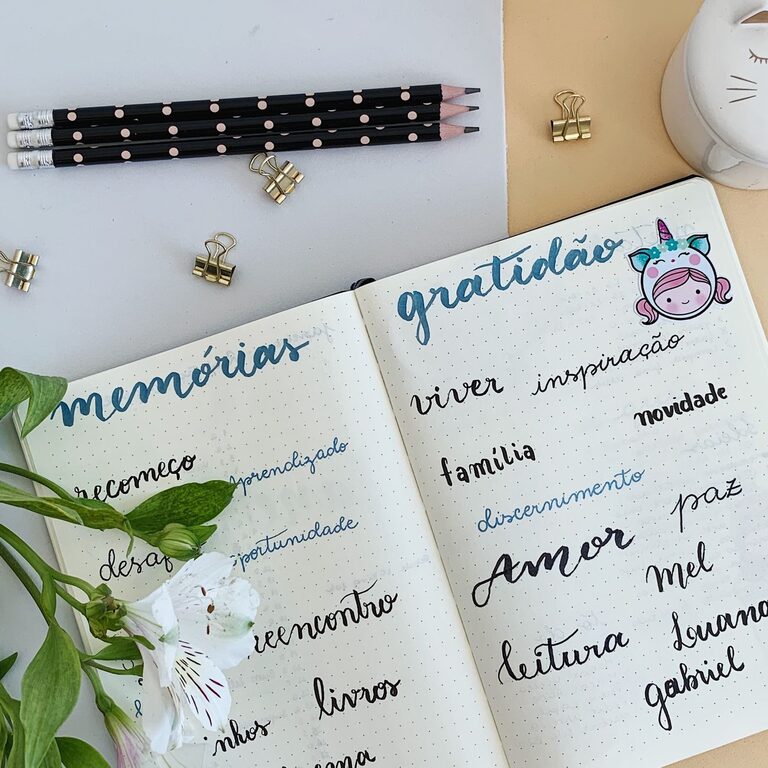
Keeping a gratitude journal is a simple yet powerful way to enhance your mood, increase positivity, and improve overall well-being. By regularly reflecting on the things you’re thankful for, you can shift your focus away from stress and negativity toward appreciation and joy. If you’re new to gratitude journaling, this guide will walk you through how to start and maintain this rewarding habit.
What Is a Gratitude Journal?
A gratitude journal is a personal diary where you regularly write down things you feel thankful for. These can be big or small moments, simple pleasures, acts of kindness, or achievements. The key is to consistently acknowledge positive aspects of your life.
Benefits of Keeping a Gratitude Journal
– Improves mental health by reducing stress and anxiety
– Enhances emotional resilience during challenging times
– Promotes a positive outlook and increases happiness
– Strengthens relationships by fostering appreciation
– Encourages mindfulness by focusing on the present moment
Getting Started: What You Need
– A notebook or journal: Choose something that feels comfortable and inviting. It doesn’t have to be fancy.
– A pen or pencil: Pick a writing tool you enjoy using.
– A quiet space: Find a calm spot where you can write without distractions.
– A regular time: Set aside a few minutes daily or several times a week.
Step-by-Step Guide to Starting Your Gratitude Journal
1. Set Your Intention
Decide why you want to keep a gratitude journal. Is it to reduce stress, improve happiness, or cultivate mindfulness? Having a clear purpose can keep you motivated.
2. Choose Your Format
You can keep your journal in a physical notebook or use a digital app. Some people prefer writing by hand for a more personal experience, while others enjoy the convenience of typing on their phone or computer.
3. Decide How Often to Write
Consistency is more important than frequency. You might start by writing daily, every other day, or weekly. Even a few minutes per session can be powerful.
4. Start Writing
Begin each entry by dating the page. Write down three to five things you’re grateful for. These can include:
– Simple pleasures (a warm cup of coffee, a sunny day)
– People in your life (family, friends, coworkers)
– Personal achievements (completing a project, learning something new)
– Experiences (a fun outing, a meaningful conversation)
– Qualities about yourself (patience, kindness)
5. Be Specific and Reflective
Instead of just listing items, take a moment to reflect on why you’re grateful for each one. For example, rather than writing “I’m grateful for my friend,” try, “I’m grateful for my friend Sarah because she always listens and supports me.”
6. Include Positive Affirmations or Inspirational Quotes (Optional)
Some people like to add a positive affirmation or a favorite quote at the end of their entry to reinforce a positive mindset.
Tips for Maintaining Your Gratitude Journal Habit
– Keep it visible: Store your journal somewhere you’ll see it daily, like your nightstand or desk.
– Make it enjoyable: Use colorful pens, stickers, or drawings if you like.
– Don’t worry about length: Short entries count; it’s the practice that matters.
– Mix it up: Occasionally write about challenges you learned from or moments you initially overlooked.
– Use prompts: If you’re stuck, try prompts such as “What made me smile today?” or “Who helped me this week?”
– Review past entries: Reflecting on earlier notes can boost your gratitude and motivation.
What to Avoid
– Don’t force it: If you miss a day, just pick up where you left off without guilt.
– Avoid negativity: Focus your journal on gratitude, not complaints or problems.
– Don’t compare: Your gratitude is personal and unique; avoid comparing with others’ journaling.
Sample Gratitude Journal Entry
Date: June 10, 2024
- I’m grateful for the peaceful morning walk I took today; the fresh air helped clear my mind.
- I appreciate my coworker Maria for helping me finish the project on time.
- I’m thankful for the delicious dinner I enjoyed with my family last night.
- I value my patience during a challenging meeting—it helped me stay calm.
- I’m grateful for my cozy home, which feels like a safe place to relax.
—
Starting a gratitude journal can be a meaningful step toward greater happiness and mindfulness. With just a few minutes each day, you can cultivate a habit that helps you appreciate life’s good moments and build resilience against stress. Give it a try—you might be surprised at how much it brightens your outlook!