Storing seasonal clothes efficiently is a great way to maximize your closet space, protect your garments, and ensure they’re ready to wear when the season changes. Whether you’re switching out summer dresses for winter coats or packing away bulky sweaters in the spring, smart storage techniques can make a big difference. In this guide, we’ll walk you through simple, effective steps to keep your seasonal wardrobe organized, fresh, and easy to access.
Why Efficient Clothing Storage Matters
Storing your clothes properly during off-season months helps:
– Save space in your closet and drawers
– Protect fabrics from dust, moisture, and pests
– Reduce wrinkles and damage
– Make seasonal swaps easier and faster
Without a good system, clothing can get lost, wrinkled, or damaged. Efficient storage also helps you keep track of what you own, making it easier to plan outfits or decide if it’s time to declutter.
Preparing Clothes for Storage
Before packing your seasonal clothes away, it’s important to prepare them properly. Here’s how:
1. Clean Everything Thoroughly
Wash or dry clean all items before storage. Dirt, sweat, and stains can become harder to remove over time and attract pests like moths. Make sure clothes are completely dry to prevent mold and mildew.
2. Repair Minor Damage
Fix loose buttons, small tears, or broken zippers. Small repairs now will save you time and keep clothes in wearable condition longer.
3. Sort and Declutter
Take this opportunity to sort your clothes. Donate or recycle items you no longer wear or that are outdated. This reduces clutter and makes room for the things you truly want to keep.
Choosing the Right Storage Solutions
Selecting suitable storage containers is key to efficient seasonal clothing storage. Consider these options:
1. Clear Plastic Bins
– Durable and stackable
– See contents without opening
– Use airtight bins for extra protection against moisture and pests
2. Vacuum-Sealed Bags
– Great for bulky items like winter coats and sweaters
– Compress clothes to save space
– Protects against dust and insects but avoid using on delicate fabrics
3. Fabric Storage Bags
– Breathable material prevents mildew
– Ideal for natural fibers like wool and cotton
– Use bags with zippers or drawstrings to keep out dust
4. Hanging Garment Bags
– Best for delicate or structured clothing like suits and dresses
– Keeps clothes wrinkle-free and ready to wear
Best Practices for Storing Seasonal Clothes
1. Keep Clothes Clean and Dry
Always store clothes in a clean, dry place with good airflow. Avoid attics or basements that are prone to temperature extremes or moisture.
2. Use Cedar or Lavender
Place cedar balls, blocks, or sachets of dried lavender in storage containers to naturally deter moths and add a fresh scent.
3. Avoid Overpacking
Don’t cram too many items into one container. Overpacked clothes can get wrinkled and lose shape.
4. Store in a Cool, Dark Place
Light and heat can fade colors and weaken fabrics. Choose a storage spot away from direct sunlight and heat sources.
5. Label Your Containers
Label bins or bags by category—for example, “Winter Sweaters” or “Summer Dresses.” This makes finding what you need easier when the season changes.
Tips for Seasonal Wardrobe Rotation
When it’s time to swap your clothes for the new season, keep these tips in mind:
– Plan ahead: Choose a day to switch out clothes when you have time to reorganize.
– Inspect items: Check stored clothes for any issues like pests or wrinkles before putting them back in your closet.
– Rotate shoes and accessories: Store seasonal shoes and bags with the clothes for a complete switch.
– Maintain your closet: Use this time to tidy and reorganize your closet space for the new season.
Extra Storage Ideas for Small Spaces
If closet space is limited, here are some creative storage ideas:
– Under-bed storage bins: Utilize the space under your bed for out-of-season clothes.
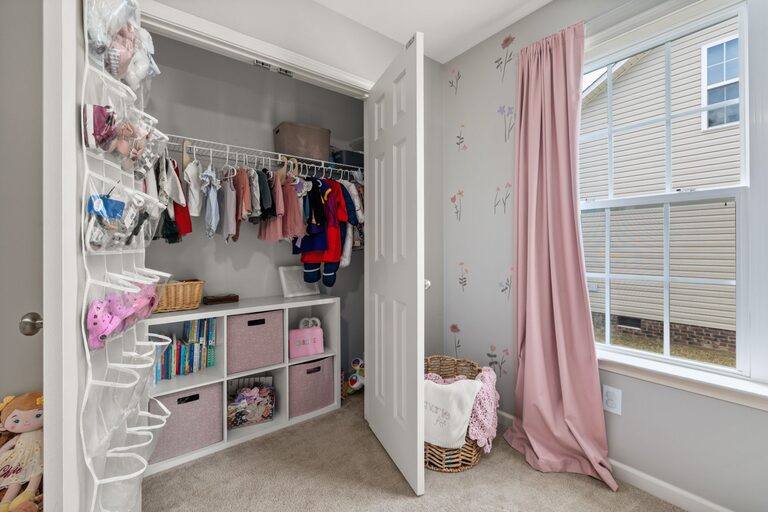
– Over-the-door organizers: Hang lightweight items or accessories.
– Storage ottomans or benches: Furniture with hidden compartments can double as storage.
– Closet shelf dividers: Keep stacks of folded clothes neat and separate.
Caring for Your Clothes During Storage
Once your clothes are stored, take simple steps to keep them in great condition:
– Check storage boxes every few months for signs of moisture or pests.
– Air out clothes occasionally to prevent musty smells.
– Replace cedar or lavender packets annually for continued protection.
Conclusion
Efficiently storing seasonal clothes doesn’t have to be complicated. By cleaning, sorting, choosing the right containers, and storing them in a cool, dry place, you can save closet space and keep your wardrobe fresh. With a little planning and care, your seasonal clothes will stay in great shape and be ready to wear year after year. Happy organizing!